If you picture coastal living as noisy crowds and nonstop traffic, Juno Beach may surprise you. This small Palm Beach County town feels quieter, more residential, and deeply connected to the shoreline. If you are wondering whether life here matches the postcard image, this guide will show you what daily living in Juno Beach actually feels like. Let’s dive in.
Juno Beach at a glance
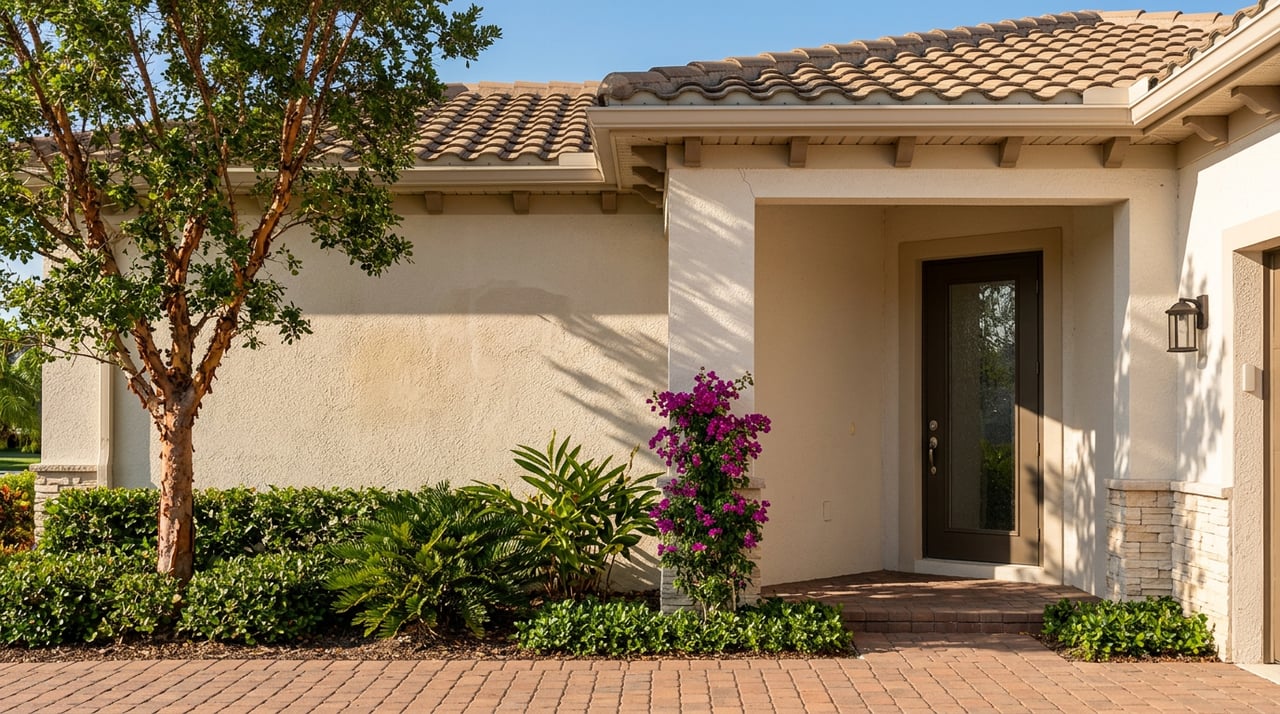
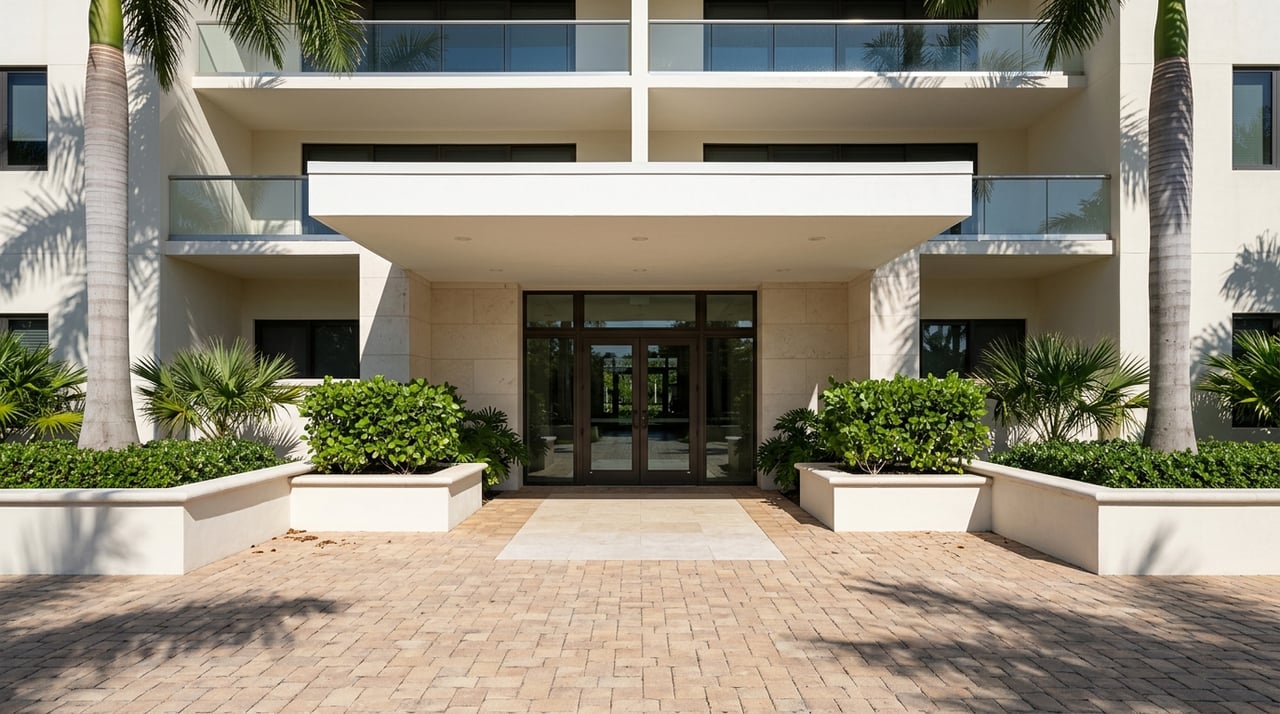
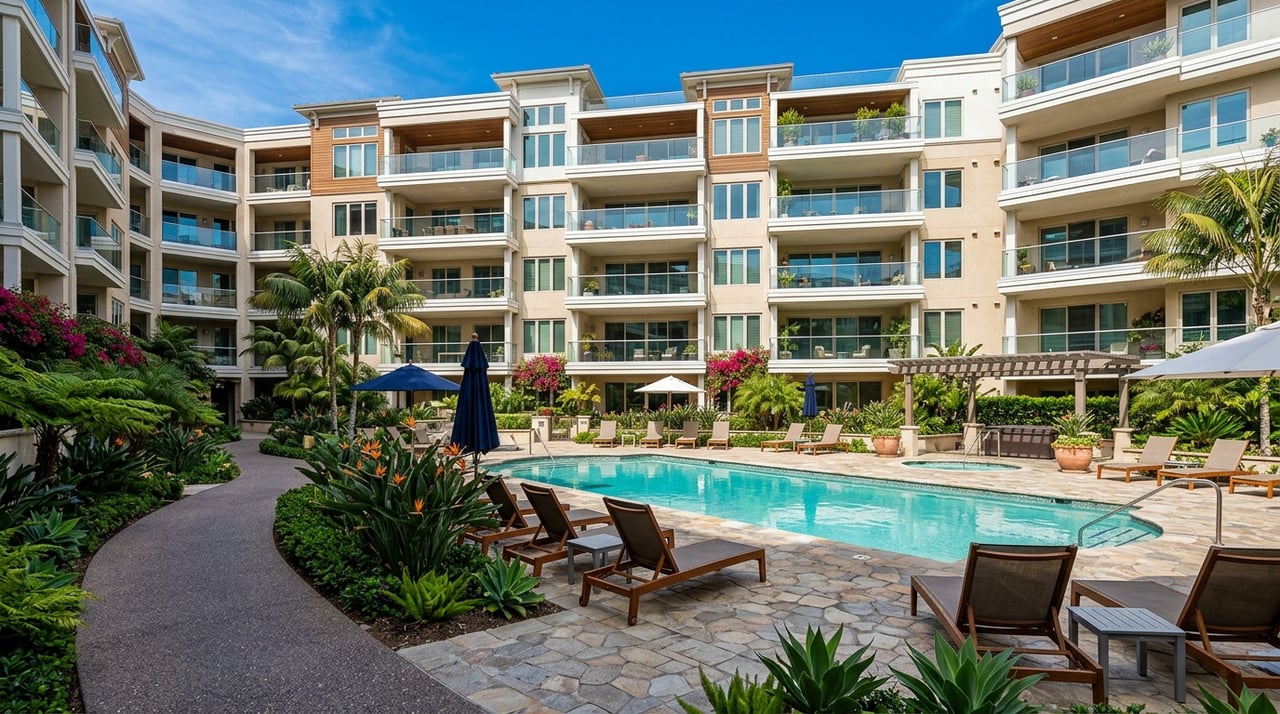
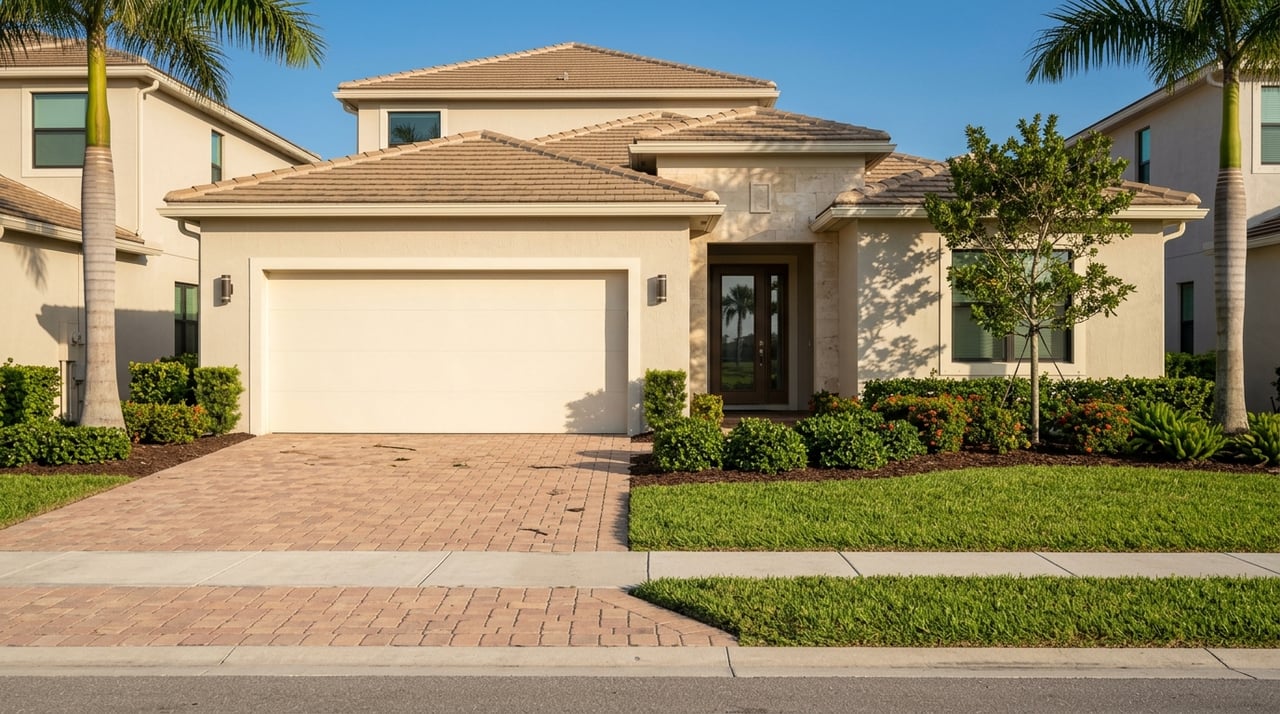
Juno Beach is a small seaside town with a predominantly residential feel. According to the 2020 Census, it had 3,858 residents and 3,222 housing units, which helps explain why it often feels intimate rather than busy.
The town describes itself as a seaside community with oceanfront estates, condominiums, and businesses. In practice, that means you get a coastal setting shaped more by homes, beaches, parks, and civic spaces than by a large commercial district.
Daily life feels beach-centered
In Juno Beach, the beach is not just a weekend destination. The town’s own community materials point to sunbathing, swimming, fishing, walking, jogging, and bicycling as part of everyday life.
That beach-first rhythm shows up in how people spend their time. You are likely to notice early morning walks, bike rides along the oceanfront area, and quick trips to the shore that feel more routine than special occasion.
For many buyers, that is the biggest lifestyle draw. If you want a place where outdoor activity naturally fits into your day, Juno Beach stands out.
Parks and outdoor access are a major perk
Juno Beach offers more than just sand and ocean views. Several nearby parks and natural areas give you different ways to enjoy the outdoors without needing to go far.
Juno Beach Park
Juno Beach Park is one of the area’s best-known public beach access points. It includes guarded beach frontage, a 990-foot pier, fishing from the pier, showers, restrooms, parking, and a designated surfing area.
Palm Beach County also noted that pier refurbishment was set to begin on June 1, 2026. If beach access and pier use matter to you, that is a practical detail worth keeping in mind.
Loggerhead Park
Loggerhead Park adds another guarded beach option. It offers 900 feet of beach frontage, a nature trail, picnic areas, and playgrounds.
It also sits across the street from Loggerhead Marinelife Center, which adds to the area’s coastal identity. This part of town tends to feel especially tied to nature and marine life.
Juno Dunes Natural Area
If you want a quieter outdoor experience beyond the beach, Juno Dunes Natural Area is a strong asset. It stretches from the Atlantic Ocean to the Intracoastal Waterway and includes hiking trails, a boardwalk, an observation tower, and kayak or canoe access on the west tract.
That variety gives you more ways to enjoy the landscape. You are not limited to just beach days.
Juno Park
Juno Park offers another side of local recreation. It includes Intracoastal access, a boat ramp, canoeing and kayaking access, tennis, playgrounds, and paddleboard rentals.
For anyone who values water access but wants options beyond the ocean, this helps round out the lifestyle. It makes the town feel active without feeling overbuilt.
The town has a true small-town feel
Juno Beach is often described through its small-town vibe, community spirit, and appreciation for uncrowded beaches, Pelican Lake, and natural areas. That matters because the character of a place shapes your daily experience just as much as the home itself.
Instead of feeling centered on large-scale development, Juno Beach feels organized around a few important anchors. The shoreline, parks, and Town Center play a bigger role here than major retail corridors.
That can be a real advantage if you prefer a calmer setting. You may find it easier to settle into a slower, more local rhythm.
Juno Beach can feel somewhat seasonal
If you spend time in Juno Beach during different parts of the year, you may notice shifts in activity. The 2020 Census counted 1,206 vacant housing units, which suggests there may be a meaningful second-home or seasonal presence, although the census does not assign a reason for each vacancy.
For some buyers, that seasonal pattern is part of the appeal. For others, it is simply helpful context when thinking about year-round energy, neighbor turnover, and the overall feel of the town.
Dining is local and low-key
Juno Beach is not the kind of place that revolves around a large nightlife scene. The dining mix highlighted by local tourism sources includes spots such as Juno Beach Cafe, Hurricane Cafe, Ke’e Grill, Juno Beach Fish House, and Aquagrille.
That lineup suggests a casual, recognizable mix with a strong lean toward cafes and seafood. If you enjoy easy local favorites over big entertainment districts, that matches the tone of the area well.
For many residents, that is enough for regular dining close to home. You get nearby options without the feeling of a crowded restaurant corridor dominating the town.
Shopping and entertainment often extend nearby
Juno Beach offers a strong lifestyle base, but it is not fully self-contained for every errand or outing. The town notes its proximity to places like Jupiter Theatre, golf courses, tennis courts, county parks, shopping centers, and art galleries.
That is an important part of living here. You get the benefit of a quieter residential setting while still being near broader amenities in surrounding areas.
For larger shopping trips, Palm Beach Gardens plays a major role. The Gardens Mall is a clear regional retail anchor, with 1.4 million square feet and more than 150 specialty shops along with a substantial dining lineup.
In real-life terms, that means Juno Beach works well if you like a peaceful home base and do not mind driving a short distance for expanded retail and entertainment choices.
Nature is part of the local identity
Juno Beach is closely linked with sea turtle conservation and coastal ecology. The town’s history materials note that sea turtle nesting season runs from March through October.
Loggerhead Marinelife Center also says Juno Beach is among the densest loggerhead nesting beaches in the world and offers guided turtle walks. That kind of seasonal rhythm adds something special to living here.
It is more than scenery. Nature is woven into how people experience the town.
Community life is civic and neighbor-oriented
Juno Beach does not appear to revolve around large festivals or constant major events. The town calendar features council meetings, art shows, bookmobile visits, Arbor Day, and drug takeback events.
That points to a more neighborhood-oriented pace. You are more likely to experience community life through civic gatherings and local traditions than through a packed event calendar.
The town’s historical materials also reference organizations such as the Civic Association, Ecology Group, Friends of the Arts, and Historical Society. Together, those details suggest a community that values involvement, stewardship, and local connection.
Who Juno Beach fits best
Juno Beach tends to fit buyers who want a quieter coastal lifestyle with easy access to outdoor recreation. If your ideal day includes the beach, a walk, a bike ride, or time in nearby parks, this town checks a lot of boxes.
It can also work well if you prefer a residential setting over a more commercial one. You get the benefit of a small-town feel while staying close to the larger amenities of nearby Palm Beach Gardens and the surrounding Northern Palm Beach County area.
On the other hand, if you want a dense downtown feel, large-scale nightlife, or lots of in-town retail, Juno Beach may feel limited. The tradeoff is simple: stronger peace and natural beauty at home, with broader choices a short drive away.
The bottom line on living in Juno Beach
Living in Juno Beach means choosing a coastal town where the beach and outdoor spaces shape the rhythm of daily life. It feels residential, low-key, and connected to nature, with enough casual dining and local activity to support day-to-day living.
At the same time, it leans on nearby areas for bigger shopping, entertainment, and variety. For many people, that balance is exactly the point.
If you are exploring homes or condos in Juno Beach and want a local perspective on which part of the area best fits your lifestyle, Casey Schilling can help you make a confident move.
FAQs
What is daily life like in Juno Beach?
- Daily life in Juno Beach feels beach-centered and outdoorsy, with the town emphasizing activities like walking, jogging, bicycling, swimming, and fishing as part of the local routine.
Is Juno Beach a small town?
- Yes. The 2020 Census counted 3,858 residents, and the town is widely characterized by a small-town coastal feel with a predominantly residential setting.
Does Juno Beach feel seasonal?
- It can. The 2020 Census counted 1,206 vacant housing units, which suggests a notable seasonal or second-home presence, though the census does not specify the reason for each vacant unit.
Is there enough to do in Juno Beach without leaving town?
- Yes for beach access, parks, water activities, and casual dining. For broader shopping and more variety in dining and entertainment, many people head to nearby Palm Beach Gardens.
What outdoor activities are available in Juno Beach?
- Juno Beach offers guarded beaches, pier fishing, surfing areas, hiking trails, a boardwalk, kayaking, canoeing, paddleboarding, tennis, picnic areas, and playgrounds through places like Juno Beach Park, Loggerhead Park, Juno Dunes Natural Area, and Juno Park.
What kind of dining scene does Juno Beach have?
- Juno Beach has a smaller, more local dining mix centered on cafes and seafood rather than a major nightlife or restaurant district.