Wondering why one Juno Beach condo sells quickly at a premium while another similar-looking unit sits longer or trades for less? In a small coastal town, value is rarely about square footage alone. If you are buying, selling, or simply tracking the market, understanding what drives condo pricing can help you make smarter decisions. Let’s dive in.
Location Drives the Biggest Premiums
In Juno Beach, location inside the town matters almost as much as location on the map. This is a barrier-island community of just 2.65 square miles, with the Atlantic Ocean on one side and the Intracoastal Waterway on the other. The town also reports that about 43% of its land has been preserved, which limits future development and adds to the importance of scarce waterfront positions.
That limited footprint helps explain why values can swing so widely. In the first quarter of 2026, the combined townhouse-and-condo market recorded 17 closed sales, with a median sale price of $675,000 and an average sale price of $876,294. At the upper end, the luxury threshold reached $3.4 million, the ultra-luxury threshold reached $4.6 million, and the top condo sale hit $4.3 million.
Oceanfront vs inland in Juno Beach
The largest pricing premium usually comes from direct water exposure, not simply being near the beach. In Juno Beach, even inland condos are still part of a coastal setting, so the difference often comes down to whether a unit has direct ocean frontage, water views, view corridors, or easier walkability to the shoreline and local recreation.
Oceanfront and direct-water condos often command more because they offer a harder-to-replace lifestyle. Buyers tend to place a premium on unobstructed views, beach access, and the simple fact that there are only so many of these units available. In a small town with preserved land and limited developable space, scarcity matters.
Flood Exposure Affects Buyer Math
Waterfront appeal can lift value, but it also changes ownership costs. The Town of Juno Beach identifies coastal areas and shorelines as flood-prone and notes that flood insurance is separate from standard homeowners insurance. That means buyers are not just comparing purchase prices. They are also weighing monthly and annual carrying costs.
FEMA states that coastal V and VE flood zones carry added storm-wave hazard, and flood insurance is mandatory for federally backed mortgages in those zones. In practical terms, two condos with similar layouts may not feel equally valuable if one has greater flood exposure or higher expected insurance costs. This is one reason a strong view does not automatically translate into the highest buyer demand at every price point.
Building Condition Matters More Than Ever
In today’s Florida condo market, building health is a real value driver. Buyers are looking beyond finishes inside the unit and paying closer attention to the condition of the building itself. A renovated kitchen can help, but it usually does not outweigh concerns about deferred maintenance, large future repairs, or weak reserves.
Florida law now requires milestone inspections for residential condominium buildings that are three or more habitable stories when they reach 30 years of age, or 25 years in some coastal or local circumstances. The state also requires Structural Integrity Reserve Studies, known as SIRS, for residential condo associations with three-or-more-story buildings at least every 10 years.
Why inspections influence condo prices
According to the Florida Department of Business and Professional Regulation, a milestone inspection is designed to identify substantial structural deterioration. A SIRS is a budget planning tool that covers major structural and building systems, including:
- Roof
- Structural systems
- Waterproofing
- Windows and exterior doors
- Fire protection systems
- Plumbing systems
- Electrical systems
For buyers, this information helps clarify whether an association appears proactive or whether major costs may be looming. For sellers, it means your building’s documentation and financial position can influence value almost as much as your unit’s upgrades.
Association Finances Shape Real-World Value
A condo’s sticker price is only part of the story. In Juno Beach, HOA fees and association finances can have a major effect on what buyers are willing to pay. Higher dues are not automatically a negative if they support strong maintenance, proper insurance, and reserve funding.
DBPR notes that a SIRS must include a recommended funding schedule. If reserve funding falls short, associations may need special assessments or debt financing to stay on track. That possibility can change buyer perception quickly, especially when comparing two otherwise similar buildings.
What buyers and sellers should watch
When you evaluate condo value, it helps to look at the broader ownership picture:
- Monthly HOA dues
- Reserve funding levels
- Recent or upcoming assessments
- Completed or pending required inspections
- Signs of deferred maintenance
- Building insurance and shared maintenance responsibilities
A well-run association can support stronger pricing because it reduces uncertainty. On the other hand, if buyers expect major future costs, they may discount the unit even if the location and interior are appealing.
Amenities Still Play a Role
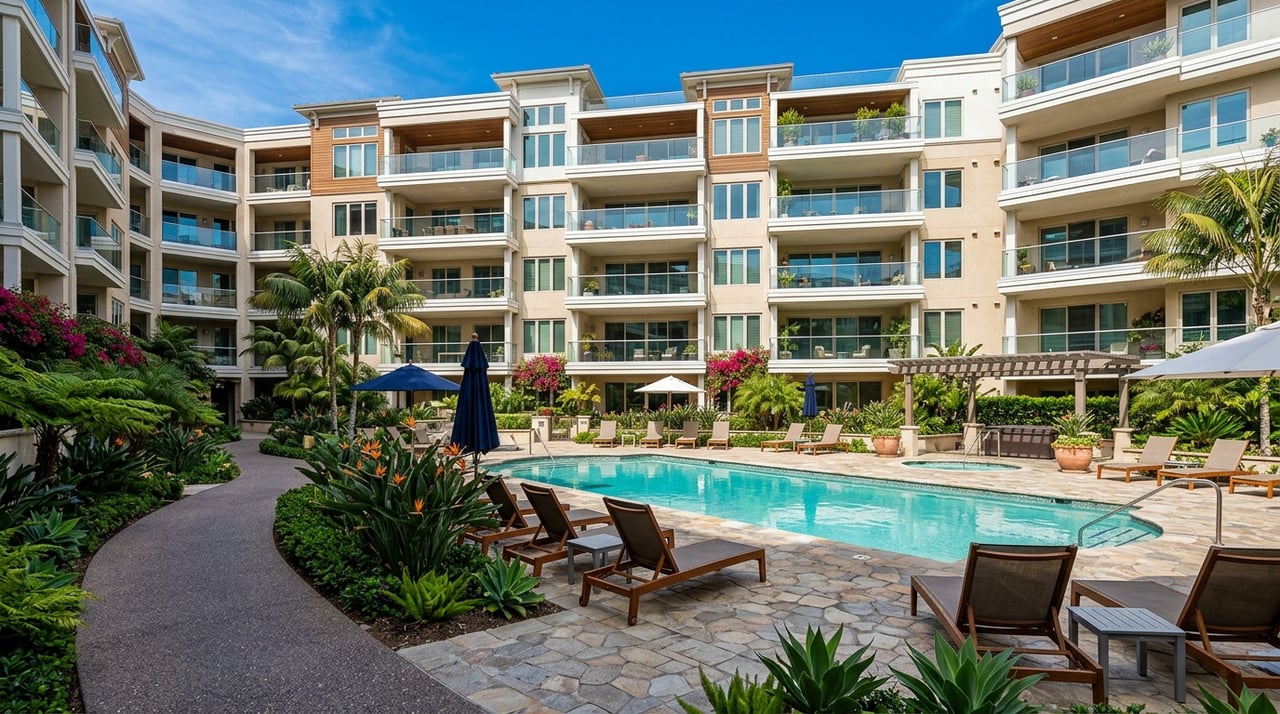
Lifestyle remains a major piece of Juno Beach condo demand. The town highlights beach access, oceanfront recreation, parks, the pier, and the Loggerhead Marinelife Center as part of its community identity. Juno Beach also features 2.4 miles of beaches, eleven dune walkovers, and a county-owned 990-foot pier.
These amenities help support the appeal of condo living in the area. A building that offers convenient access to the beach, recreation, and walkable coastal attractions may have a stronger value position than one with less direct access to the features buyers come to Juno Beach for.
That said, amenities should always be weighed alongside cost. Buyers tend to look at the full package, not just the view or the pool deck. The best value usually comes from the right balance of location, building quality, and carrying costs.
Seasonality Influences Demand
Condo values in Juno Beach are also shaped by timing. Palm Beach County has a clear seasonal pattern, and buyer traffic often rises during the winter months. Discover The Palm Beaches reported 10.6 million visitors in Palm Beach County during fiscal year 2024 to 2025, and its survey found that December, February, and March accounted for 45% of reported visits.
For the condo market, that often means stronger activity from late fall through early spring. Snowbirds, second-home shoppers, relocators, and out-of-area buyers are more active during this period, which can increase competition for well-positioned units.
Why timing matters for pricing
If you are selling, seasonal demand can affect showing activity, urgency, and buyer attention. A condo that enters the market during peak season may benefit from more eyes on it, especially if it has features that resonate with seasonal buyers such as water views, lock-and-leave convenience, or proximity to beach recreation.
If you are buying, seasonality can also shape your strategy. More inventory may come online during active months, but the strongest condos can also attract more competition. That is why pricing trends in Juno Beach often reflect both the property itself and the time of year it hits the market.
Why Similar Units Sell for Different Prices
One of the most common questions in Juno Beach is why nearly identical condos can sell at noticeably different numbers. The answer usually comes down to a combination of factors rather than one single issue. Floor plan is important, but it is only one part of the valuation picture.
In many cases, the biggest differences come from:
- Direct ocean or water exposure
- View quality and privacy
- Flood and insurance considerations
- Building age and condition
- Completed inspections and reserve studies
- Association reserves and possible assessments
- HOA fees and total carrying costs
- Seasonal buyer demand at the time of listing
When all of these pieces come together, pricing becomes much more understandable. In Juno Beach, condo value is shaped by both lifestyle appeal and practical ownership costs.
What This Means for Buyers and Sellers
If you are buying in Juno Beach, it helps to look beyond the finishes and ask deeper questions about the building and association. A beautiful unit in a building with financial or structural concerns may not feel like a bargain once the full cost of ownership becomes clear.
If you are selling, accurate pricing depends on more than nearby sales. You also need to position your condo against competing listings based on location, views, building health, association strength, and the current season of demand. In a market with a broad pricing range and a limited coastal footprint, details matter.
Whether you are purchasing a beachfront retreat, comparing investment options, or preparing to list a condo, local context is what turns raw data into smart strategy. If you want a clear read on how your condo stacks up in today’s market, connect with Casey Schilling for local insight and personalized guidance.
FAQs
What affects condo values in Juno Beach the most?
- The biggest drivers are direct water exposure, views, building condition, association finances, carrying costs, and seasonal demand.
How does oceanfront location change condo value in Juno Beach?
- Oceanfront and direct-water condos often command higher prices because they offer scarcer locations, stronger views, and a distinct coastal lifestyle appeal.
Why do Florida condo inspections matter for Juno Beach buyers?
- Required milestone inspections and reserve studies can reveal building condition and future financial obligations, which directly affect buyer confidence and pricing.
How do HOA fees affect condo value in Juno Beach?
- HOA fees influence affordability and buyer perception because they often cover maintenance, insurance, and reserve funding, not just amenities.
Does seasonality impact condo prices in Juno Beach?
- Yes. Buyer activity typically strengthens from late fall through early spring, when more seasonal and out-of-area buyers are active in Palm Beach County.
Why can two similar Juno Beach condos sell for very different prices?
- Small differences in water exposure, views, building finances, inspection status, insurance costs, and timing can lead to meaningful price gaps.