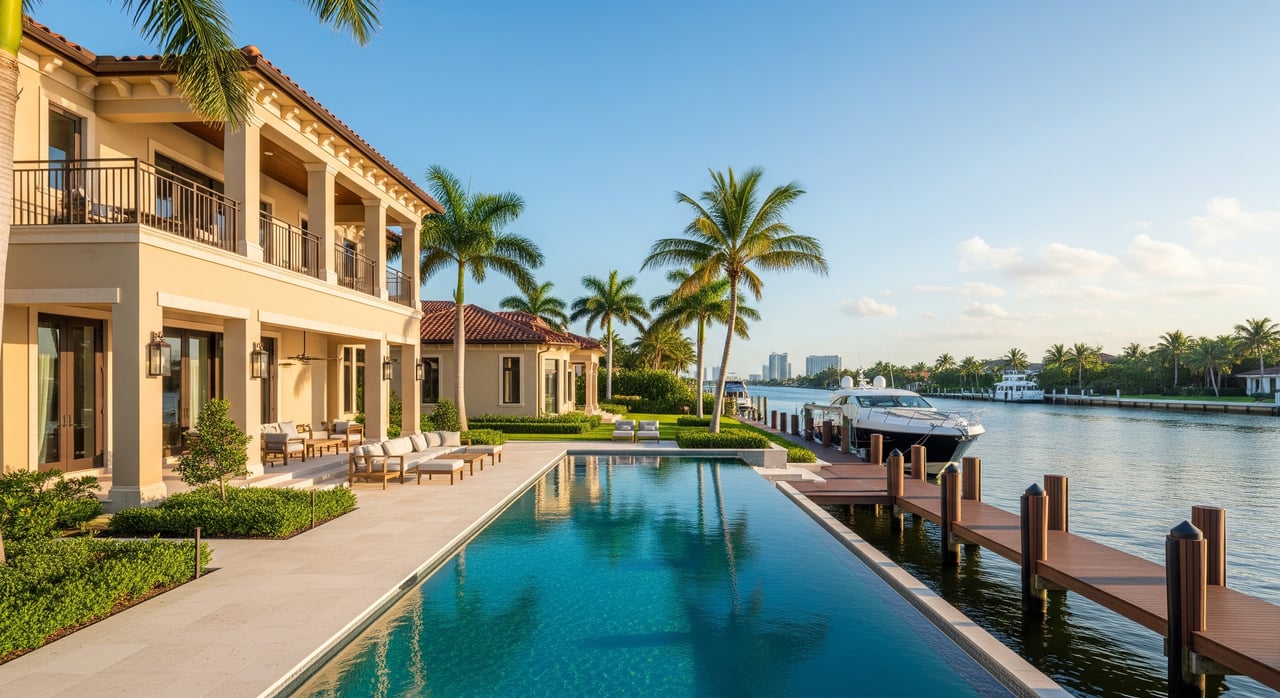
Sticker shock from Florida insurance is real, and it can change what you can afford in North Palm Beach. If you are eyeing a home near the water or in a coastal neighborhood, premiums for homeowners and flood insurance can shift your monthly payment more than you expect. You are not alone if you are asking how this affects your budget and which steps help you get accurate numbers before you make an offer. In this guide, you will learn how lenders count insurance, what drives quotes locally, and the best moves to protect your buying power. Let’s dive in.
Why insurance shapes buying power
Florida’s coastal markets face higher wind and hurricane risk, which makes insurance more expensive and sometimes harder to place. Statewide rates reflect storm losses, reinsurance pricing, and regulatory approvals. You can explore state context and wind mitigation guidance through the Florida Office of Insurance Regulation. In Palm Beach County, many homes also need flood insurance depending on location and lender requirements, which is a separate policy and cost.
Insurance matters because your lender includes it in your monthly housing cost. A higher premium raises the monthly payment and pushes up your debt-to-income ratio. That can lower the purchase price you qualify for or require a larger down payment to stay within limits.
How lenders count insurance in your payment
Most lenders qualify you on PITI, which stands for principal, interest, taxes, and insurance. They add your annual homeowners premium, divide by 12, and include that number in your housing payment. If the policy is escrowed, it is part of your mortgage bill each month.
Your debt-to-income ratio, or DTI, equals your total monthly debts divided by your gross monthly income. Since the insurance portion is added to the numerator, higher premiums either reduce the loan amount you can carry or increase your DTI at a given price. Program rules vary by loan type, so confirm specifics with your lender.
Flood insurance is separate. If the property requires it, that premium is also added to your monthly housing cost for qualifying. Private flood and the National Flood Insurance Program price risk differently, so it pays to compare options.
Flood insurance basics for coastal buyers
Start by verifying the flood zone. You can look up an address on FEMA’s Flood Map Service Center and learn about coverage through FloodSmart, the official NFIP resource. If a home is in a Special Flood Hazard Area, most lenders will require a flood policy. Even if a property is outside the highest-risk zones, you may still choose coverage based on elevation and drainage patterns.
Premiums depend on factors like elevation, foundation type, distance to water, and replacement cost. Private flood markets can sometimes offer competitive pricing compared with NFIP, although availability can vary by property and carrier.
Key cost drivers local buyers should know
Roof age and condition
In Florida, insurers look closely at the roof. Newer roofs and documented replacements often lead to better quotes and more carrier options. Older roofs may trigger inspections or even replacement timelines to qualify for coverage.
Wind mitigation credits and the 1802 form
Wind-resistant features can materially reduce premiums. Credits often apply for impact-rated openings, roof-to-wall connections, roof deck attachment, and a secondary water barrier. A licensed inspection that completes the standard wind mitigation form (often called the 1802) helps carriers apply these credits. For guidance, review wind mitigation resources from the Florida Office of Insurance Regulation.
Impact windows and shutters
Opening protection is a big driver in coastal Florida. Impact windows and doors or professionally installed shutters can improve risk profiles and help carriers price your policy more favorably.
Deductibles and policy structure
Florida homeowners policies typically include a separate hurricane or wind deductible, often as a percentage of the dwelling limit. Choosing a higher deductible may lower your premium, though it increases your out-of-pocket cost if you file a wind claim. Balance savings with your risk tolerance and cash reserves.
Claims history and inspections
Carriers review both property and personal claim history. Multiple or recent claims can raise premiums or limit private market options. Older homes may require a 4-point inspection to document roof, HVAC, plumbing, and electrical condition.
Location and elevation
Proximity to the coast, local building codes, and flood zone mapping matter. Lower elevation or high-risk flood zones can increase flood premiums, while properties built to newer codes often fare better in underwriting.
Steps to lock in realistic numbers
Use this simple process to clarify costs and protect your buying power before you write an offer:
- Ask for early estimates. As you narrow neighborhoods in North Palm Beach and nearby coastal areas, request preliminary homeowners and flood estimates from a local independent agent. Share the address, year built, roof age, and any mitigation features.
- Verify flood status. Check FEMA mapping on the Flood Map Service Center and review NFIP information on FloodSmart. If flood insurance looks likely, request quotes from both NFIP and private carriers.
- Document mitigation. If a home has impact glass, shutters, or roof upgrades, schedule a wind mitigation inspection and obtain the completed 1802 form. Carriers use this form to apply discounts.
- Gather roof records. Pull permits, invoices, and warranties if a roof was replaced. If the roof is older, consider a roof inspection to document remaining life.
- Shop multiple carriers. Pricing and underwriting vary widely. If private carriers decline, explore eligibility with Citizens Property Insurance Corporation.
- Include an insurance contingency. Build time into your contract to finalize quotes and confirm the property is insurable at a cost that fits your budget.
- Confirm escrow and monthly impact. Ask your lender how homeowners and flood premiums will be escrowed and recalculate your monthly payment with those numbers.
- Secure your binder. Lenders will require proof of coverage at or before closing. Plan for any additional inspections carriers may request, then bind the policy and deliver the binder to your lender early.
If you need consumer guidance or assistance understanding insurance terms and rights in Florida, the Florida Department of Financial Services Division of Consumer Services is a helpful resource.
Smart ways to trim premiums
- Prioritize wind mitigation. Impact openings, documented roof-to-wall connections, and a properly attached roof deck can qualify for credits. Use the 1802 form to capture them.
- Manage deductibles thoughtfully. A higher hurricane deductible can reduce premium, but be sure you can cover that amount if a storm hits.
- Keep systems updated. Insurers favor homes with newer roofs and well-maintained major systems. Documentation helps.
- Compare flood options. Review both NFIP and private flood quotes when available. Coverage terms and pricing can differ.
- Bundle where it makes sense. Some insurers offer discounts when you combine homeowners with auto policies.
Savings vary by carrier and property, so review options with a licensed insurance professional and your lender.
Plan your offer with insurance in mind
Insurance can be the swing factor that keeps your DTI within limits. Before you write an offer, estimate homeowners and flood premiums, then model your monthly payment with your lender. Use an insurance contingency to protect your timeline and make your financing more predictable. If inspection results change your insurability or premium, you can adjust quickly within the agreed window.
Local resources for Palm Beach County buyers
- Florida insurance market and wind mitigation information: Florida Office of Insurance Regulation
- Citizens, the state-backed insurer of last resort: Citizens Property Insurance Corporation
- FEMA flood maps and determinations: FEMA Flood Map Service Center
- Flood insurance education and NFIP details: FloodSmart
- National insurance consumer resources: National Association of Insurance Commissioners
- Florida consumer help and education: Florida Department of Financial Services — Division of Consumer Services
Final thoughts
In North Palm Beach and the surrounding coastal areas, insurance is not a footnote. It is a core part of your monthly payment and buying power. When you price it early, document mitigation, and give yourself time to secure a binder, you remove surprises and shop with confidence.
If you want a clear plan to align home selection, insurance, and financing, connect with Casey Schilling. We help you structure smart contingencies, stay on timeline, and move from offer to close with clarity.
FAQs
How do Florida homeowners insurance premiums affect DTI for North Palm Beach buyers?
- Lenders add the monthly portion of your annual premium to your housing cost, which increases your DTI and can reduce the maximum mortgage you qualify for.
Do I need flood insurance for a home in North Palm Beach?
- If the property is in a FEMA Special Flood Hazard Area or your lender requires it, yes. Check the FEMA Flood Map Service Center and compare NFIP and private quotes.
What is a wind mitigation inspection and 1802 form in Florida?
- A licensed inspector documents wind-resistant features on the state’s standard form, often called the 1802. Carriers use it to apply potential discounts recognized by the Florida Office of Insurance Regulation.
When should I secure an insurance binder before closing on a Palm Beach County home?
- As soon as contract contingencies allow, and always before closing. Your lender will require proof of active coverage, so bind early to avoid delays.
What if private insurers decline coverage for my North Palm Beach property?
- Ask your agent about eligibility with Citizens Property Insurance Corporation, which serves as Florida’s insurer of last resort when private options are limited.