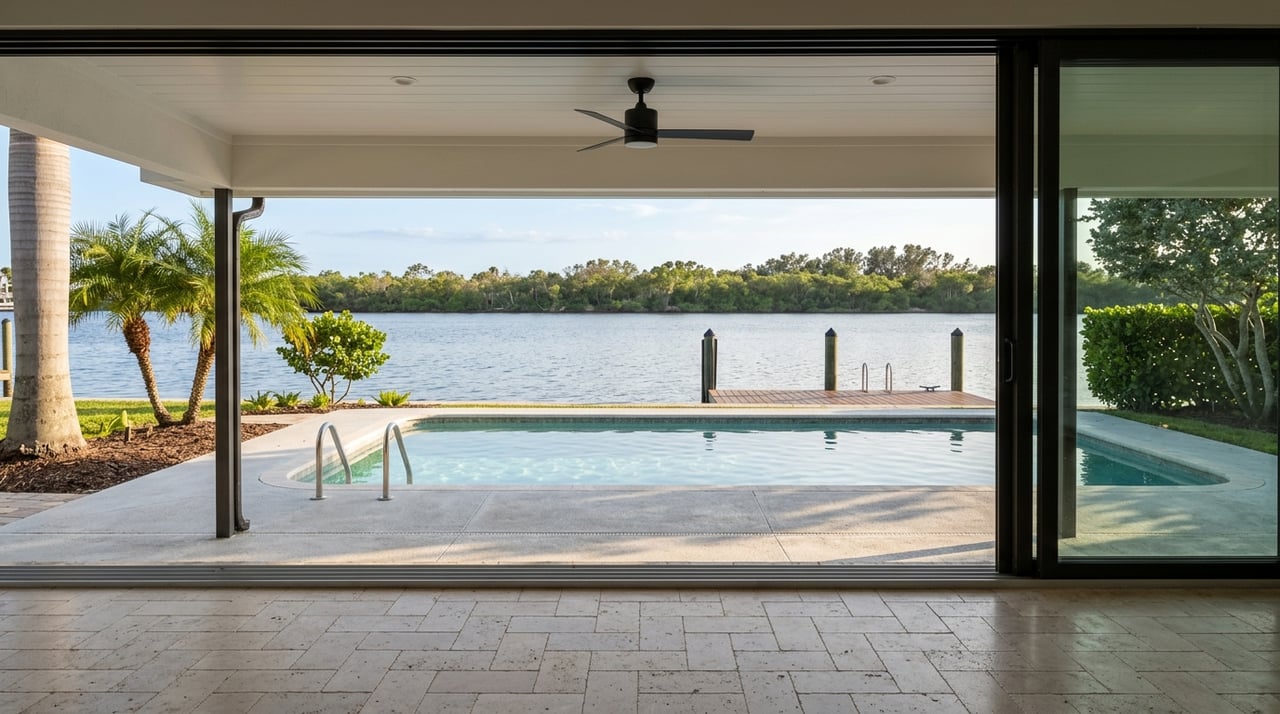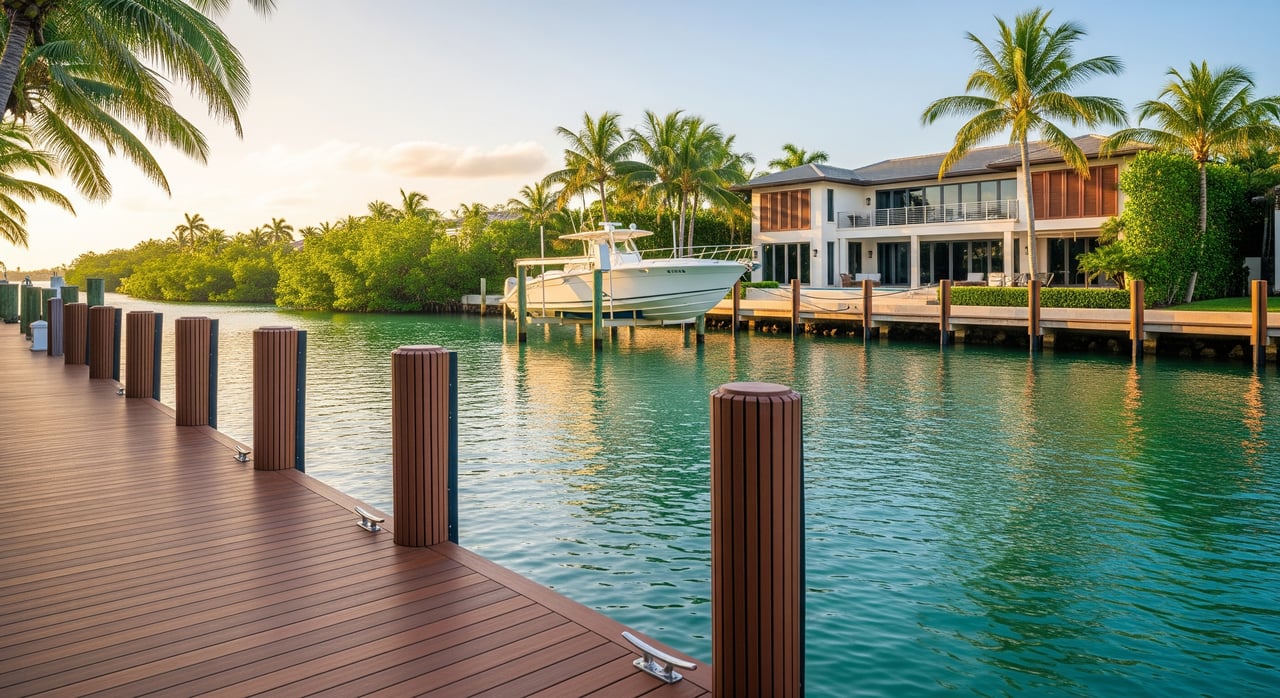
Dreaming of walking from your backyard to your boat in Tequesta? Waterfront living here is special, yet buying a home with a private dock involves details you do not want to miss. You might be thinking about tides, seawalls, lifts, and how long permits will take. In this guide, you will learn exactly what to check so you can buy with confidence and enjoy smooth boating to the Intracoastal and Jupiter Inlet. Let’s dive in.
Why Tequesta dock homes stand out
Tequesta sits along the Intracoastal Waterway and Indian River Lagoon, just north of Jupiter Inlet. Many homes have private docks, boat lifts, or seawalls. The payoff is big if you do your homework. The key is confirming your dock and water access work for your boat and lifestyle, and that the structures and permits are in good shape.
Start with seawall and dock condition
Your seawall and dock protect your shoreline and your investment. Before you fall in love with a view, confirm the condition and who is responsible for repairs.
What to inspect
Hire a coastal or civil engineer to inspect the seawall and a qualified marine contractor to evaluate the dock and lift. Ask them to look for:
- Leaning or settlement of the wall face.
- Cracks or spalling in the cap, exposed rebar, or gaps where the cap meets the wall.
- Erosion or scouring at the toe, undermining, or exposed tiebacks.
- Blocked weep holes that trap water pressure behind the wall.
- Corrosion of tiebacks or sheet piling.
- Dock issues such as rotted piles, loose fasteners, deck deterioration, and any signs of marine-borer damage.
- Lift mechanics and electrical, including winches, cables, motors, controls, and anchoring.
Ask for a written report with repair recommendations, estimated remaining service life, and a cost range. Replacement of a seawall, cap, or dock can be significant, often tens of thousands to hundreds of thousands of dollars depending on length, access, materials, and permitting.
Who owns and maintains it
Do not assume the lot owner maintains the seawall or dock. Check the deed, plat, and title report for easements, bulkhead agreements, and riparian rights. In some communities, the HOA maintains shared seawalls or controls dock design and use. If the seawall or drainage connects to a neighbor or a public right of way, make sure your boundary survey and title clearly show responsibilities.
Expected lifespan and materials
Common materials in Palm Beach County include reinforced concrete, concrete caps with tiebacks, steel sheet pile, and treated timber. Actual lifespan varies by material, soil, groundwater, maintenance, and storm history. Your engineer can give a site-specific opinion and timing for repairs or replacement.
Post-storm repairs
Storms and hurricanes accelerate deterioration. Some emergency repairs may be allowed, but they usually still require notification or after-the-fact permits. Ask the seller for records of storm repairs and permits so you understand what was done and whether anything remains open.
Boat lifts and utilities
A well-designed lift protects your vessel and reduces maintenance. Inspect:
- Capacity vs boat weight and balance.
- Pile condition and anchoring.
- Motors, gearboxes, cables, bunks, and safety stops.
- Electrical supply, grounding, and GFCI protection.
Confirm manufacturer details and any service records. Lifts often require permits even if the dock itself is unchanged.
Depth, tides, and bridges to the inlet
Buying on the water means thinking beyond the property line. You want safe access from your dock to the Intracoastal and through Jupiter Inlet.
Verify water depth
Order a recent bathymetric or sounding survey at the dock and along your planned route. Depth at low tide matters for draft limits. Tidal range in Southeast Florida is modest, but local variations and storm surge can change effective depth. Residential canals are not always dredged on a regular schedule. Some HOAs sponsor dredging while others rely on county or state projects. Ask for recent dredging history and any planned work.
Check bridge clearances
List every fixed bridge you must pass under to reach open water and confirm vertical clearance at the relevant tide datum. Compare that to your vessel’s air draft with antennas and canvas up. Also note channel width, navigation aids, and any no-wake or restricted zones that affect maneuvering.
Do a test run
If possible, arrange a sea trial before closing. A short run with a local captain or marina can validate depths, current conditions at the inlet, and how your boat handles the route.
Permits and approvals you may need
Waterfront work involves layers of review. Understanding the process early keeps your plans on track.
Who regulates what
- Town of Tequesta: building and zoning for docks, lifts, seawalls, setbacks, and local permits.
- Palm Beach County Environmental Resources Management (ERM): marine construction permits and environmental review for work waterward of the mean high water line.
- Florida Department of Environmental Protection (FDEP) and sovereign submerged lands: authorization for structures on state-owned submerged lands, plus resource protection for mangroves and seagrass. The Florida Fish and Wildlife Conservation Commission may also apply.
- U.S. Army Corps of Engineers (USACE): permits for structures in navigable waters. Some projects qualify for a Nationwide or Regional General Permit. Others need an Individual Permit with longer timelines.
What triggers a permit
- New dock construction, many replacements, or extensions.
- Boat lift installation.
- Seawall replacement and many structural repairs.
- Any work affecting mangroves, seagrass, or wetlands.
How long it can take
Timelines vary by complexity and agency workload. Local and county permits can take weeks to several months. State sovereign lands authorization can add weeks to months. USACE reviews range from weeks under a general permit to several months or longer for individual permits. Complex projects requiring multiple approvals can span many months. Start conversations with agencies and contractors early to set realistic expectations.
What to request from the seller
Ask for copies of past permits, as-built drawings, recent site plans, boundary surveys showing the mean high water line, and records of prior repairs, inspections, or enforcement actions. If a dock or lift lacks permits, discuss whether the seller will correct it or whether you need a post-closing remediation contingency.
HOA, easements, and title checks
Association rules and recorded rights can shape what you can build and how you can use your dock.
HOA rules to review
Request CC&Rs, architectural guidelines, approval history, and any outstanding violations. Many HOAs regulate dock length, design materials, colors, boat size, or whether lifts are allowed at all. Look at meeting minutes for planned dredging or seawall projects that could add future assessments.
Riparian rights, setbacks, and surveys
Confirm riparian rights and setbacks on an up-to-date boundary survey that shows tidal lines and any easements. Utility or public easements may limit where a dock can sit. If neighboring docks share access or if there is a community pier, review recorded agreements in the title report. Consider a Florida real estate attorney if anything is unclear.
Insurance and risk planning
Insurance carriers pay close attention to waterfront details. Get quotes early and understand what documentation they require.
Flood and wind coverage
Check the property’s NFIP flood zone and obtain quotes that may require an elevation certificate. Windstorm coverage is a major ownership cost near the coast. Insurers often ask for seawall and dock condition reports and may require repairs before binding coverage.
Dock and lift coverage
Policies differ on whether docks and lifts are covered or limited. Ask carriers about exclusions, anchoring requirements, and whether unpermitted structures are covered. Share inspection reports and permits up front to avoid surprises.
Contract strategy and closing plan
The right contract language protects you while you confirm the waterfront details.
Contingencies and holdbacks
Include contingencies for satisfactory seawall, dock, and lift inspections, clean permit and title findings including riparian rights, insurance approval, and acceptable flood quotes. If repairs are required and cannot be completed before closing, consider an escrow holdback or repair credit tied to written estimates and milestones. Require the seller to deliver all permit and repair records.
Common bottlenecks
Expect seasonal backlogs with marine contractors, longer multi-agency permit reviews, work windows limited to protect seagrass or fish nurseries, and insurance underwriting delays that may depend on additional inspections.
Buyer checklist: Tequesta home with a dock
Use this quick list as you move from offer to closing:
- Obtain seller records for permits, repairs, and as-built plans.
- Order a boundary survey showing the mean high water line and any encroachments.
- Commission a seawall inspection by a coastal or civil engineer.
- Get a dock and lift inspection from a qualified marine contractor.
- Order a bathymetric or sounding survey for water depth and route planning.
- Request HOA documents, approval history, and recent meeting minutes.
- Run preliminary flood, wind, and homeowner’s insurance quotes. Ask what documentation is required for docks and lifts.
- Verify permit status with the Town of Tequesta and Palm Beach County ERM and ask about any violations.
- Add contract contingencies for inspections, permits, title, and insurance. Consider an escrow holdback for required repairs.
- Get scheduling estimates from local marine contractors and confirm realistic construction windows.
Work with a local team that knows the water
Buying a waterfront home in Tequesta is about more than the view. It is about the right depth at your dock, the right permits on file, and a seawall and lift you can trust. A local, boutique team can help you coordinate inspections, confirm approvals, and line up the right contractors so closing day is smooth and your first boat day is even better.
Ready to find the right Tequesta home with a dock? Connect with Casey Schilling for local guidance and a step-by-step plan from offer to on the water.
FAQs
Who owns the seawall or dock at a Tequesta home?
- Check the deed, plat, and title report, and require a boundary survey showing the mean high water line and any easements to confirm ownership and maintenance responsibilities.
How can I confirm water depth at my Tequesta dock?
- Order a bathymetric or sounding survey and compare depths at low tide, then consult local tide resources and marinas for current channel conditions.
Do I need permits to add or replace a dock or lift in Tequesta?
- Most new docks, replacements, and lift installations require permits that may involve the Town of Tequesta, Palm Beach County ERM, Florida DEP, and USACE.
How long do waterfront permits usually take in Palm Beach County?
- Timelines range from weeks to many months depending on complexity, environmental review, and whether your project needs a general or individual USACE permit.
Will my homeowner’s policy cover docks and boat lifts?
- Coverage varies by carrier and often has limits or requirements, so obtain quotes early and provide inspection reports and permits to underwriters.
Can HOA rules limit dock size or boat type in Tequesta communities?
- Yes, many HOAs regulate dock design, length, lifts, and allowable boat sizes, so review CC&Rs, approval history, and meeting minutes before you buy.
What if the existing dock has no permits on record?
- Unpermitted structures create risk. Require seller disclosure, consider a contingency for correction, and consult local authorities and an attorney about next steps.