If you’re buying a second home in Jupiter from out of town, you’re not just choosing a house. You’re choosing a coastal lifestyle, a community setup, and a property you may need to manage from miles away. That can feel exciting and overwhelming at the same time. The good news is that with the right local guidance and a smart due diligence plan, you can narrow your options faster and buy with more confidence. Let’s dive in.
Why Jupiter Appeals to Second-Home Buyers
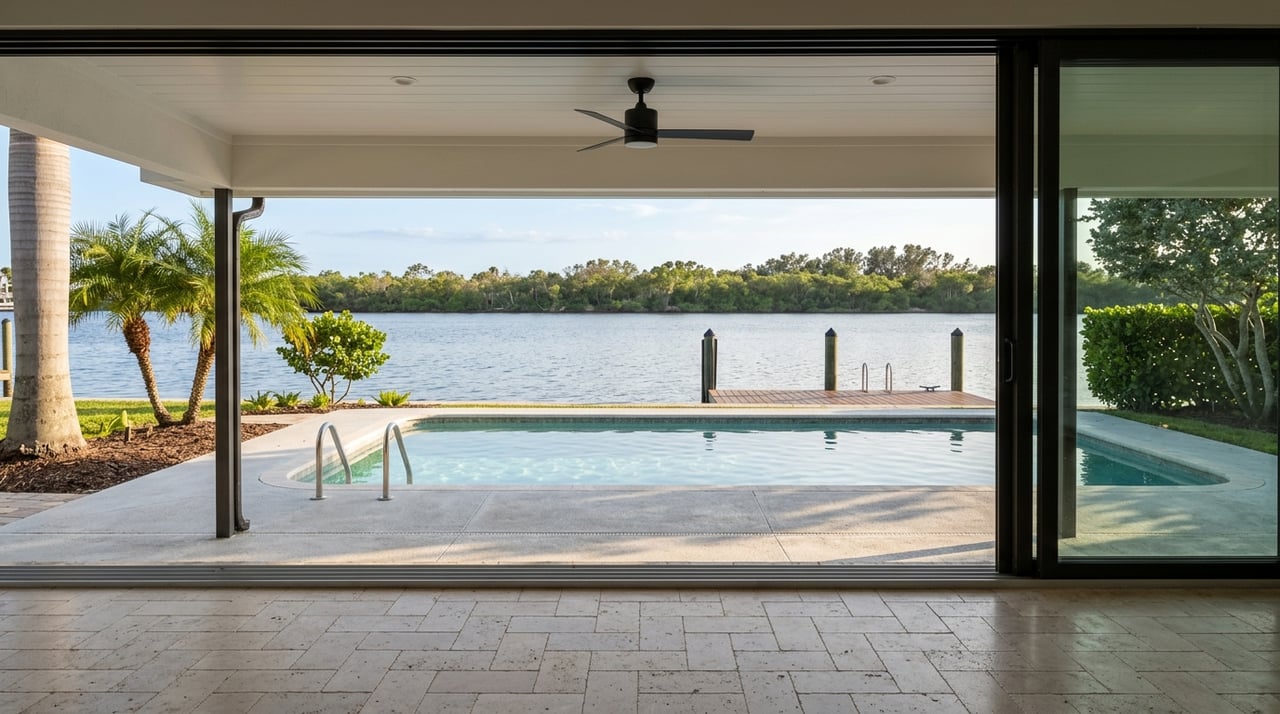
Jupiter offers a mix of coastal access, outdoor amenities, and varied housing choices that make it especially appealing for seasonal owners and remote buyers. According to the town, Jupiter has about 3.4 miles of beaches, more than 25 parks, and a planned Riverwalk with about 2.5 miles of public access along the Intracoastal Waterway.
That setting matters when you’re buying a second home. In Jupiter, location often shapes daily use just as much as the home itself. You may care as much about beach access, marina convenience, golf amenities, and low-maintenance living as you do about finishes and square footage.
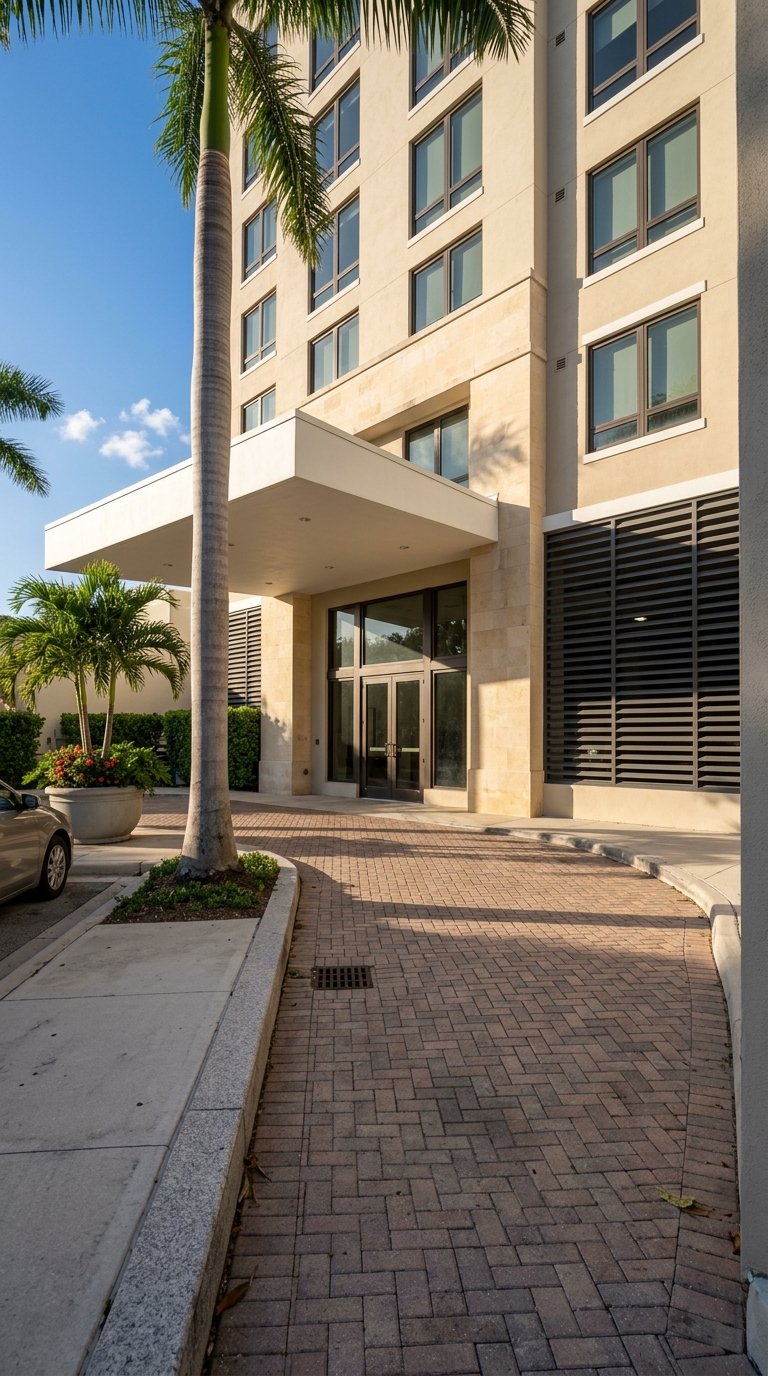
The town’s neighborhood materials also reflect a broad housing mix, including areas like Abacoa, Admirals Cove Golf Village, Jupiter Bay, Ocean Dunes, Ocean Trail, and Jupiter Yacht Club. For you, that can mean everything from condos and townhomes with less exterior upkeep to single-family homes and golf-community properties with more privacy and space.
Start With Your Use Plan
Before you schedule showings, get clear on how you plan to use the home. A second home that works well for a few winter visits may look very different from one you want to enjoy for long stretches or share with guests.
Ask yourself a few basic questions first:
- How often will you use the property each year?
- Do you want a lock-and-leave setup?
- How much maintenance are you comfortable handling from a distance?
- Do you prefer a condo, townhome, or single-family home?
- How important are water access, parking, and proximity to everyday conveniences?
Those answers help narrow your search quickly. In Jupiter, that matters because the right fit often comes down to balancing lifestyle, upkeep, and community rules.
Condo or Single-Family Home?
Many remote buyers begin by comparing condos to single-family homes. In Jupiter, that choice is especially important because the town includes condo-heavy coastal areas as well as more traditional single-family and golf communities.
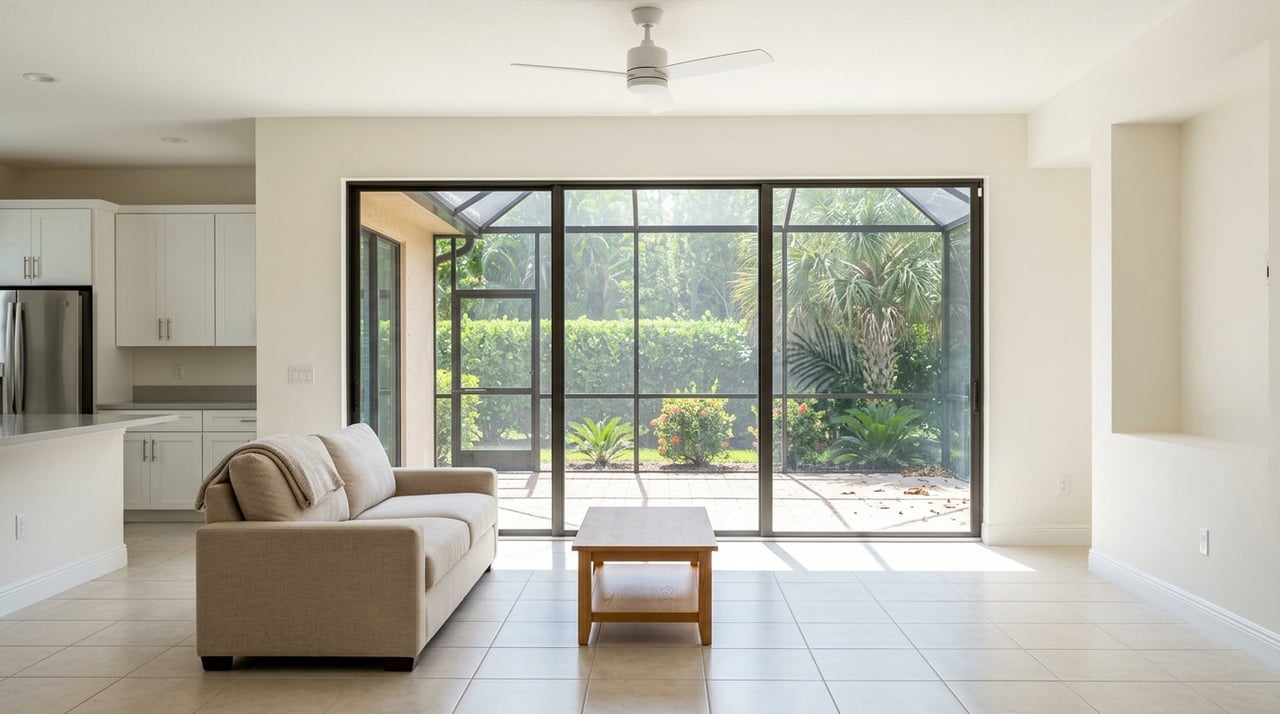
A condo or townhome may appeal to you if you want less personal responsibility for exterior maintenance. A single-family home may make more sense if you want more privacy, more outdoor space, or fewer shared building considerations. Neither option is automatically better. The key is understanding what the community handles, what you handle, and what that costs over time.
HOA and Condo Review Matters More Than You Think
If you are buying from afar, community documents are not just paperwork. They are one of the best ways to understand how a property really operates.
In Florida, condominium associations must maintain official records such as the declaration, bylaws, rules, minutes, insurance policies, contracts, and financial records. Florida also requires condominium associations with 25 or more units to post key documents online by January 1, 2026, including governing documents, minutes, budgets, financial reports, contracts, bids, inspection reports, structural integrity reserve study materials, permits, and conflict documents.
Homeowners’ associations also have recordkeeping rules under Florida law. Official records must be kept for at least seven years and made available within required timeframes after a written request. By January 1, 2025, associations with 100 or more parcels must post key governing documents, contracts or bids, and related materials on a website or mobile application.
For a remote buyer, this is valuable because it gives you more ways to review a community before you book a flight or write an offer. It also helps you spot risks that may not show up in listing photos.
Documents to Request Early
Before you travel for a showing or get too attached to a property, ask for:
- Declaration and bylaws
- Community rules and regulations
- Current budget
- Recent meeting minutes
- Reserve information or structural integrity reserve study materials
- Any milestone inspection reports, if applicable
- Rental policies
- Pending or recent special-assessment notices
- Insurance information
These documents can tell you a lot about financial health, maintenance planning, and day-to-day restrictions. They also help you compare one community to another in a much more practical way.
Why Reserve Studies and Assessments Matter
For many condo buyers in Jupiter, the most important items are the structural integrity reserve study, milestone inspection reports if required, the current budget, and any special-assessment notices. Florida guidance says residential condominium associations with buildings three stories or higher must complete a structural integrity reserve study, and reserve funding tied to that study begins in 2026 for certain associations based on budget timing.
That matters because reserve shortfalls or major repair planning can directly affect your monthly costs. If you are buying a seasonal property, unexpected assessments can change the math quickly.
Don’t Ignore Liens and Fees
In both condos and HOAs, unpaid assessments can become liens under Florida law. That means your review should go beyond the asking price.
You should also look closely at:
- Regular association fees
- Special assessments
- Transfer or application fees
- What is included in the dues
- Whether any balances or collection issues affect the property
Flood and Storm Planning Should Be Part of Your Budget
In Jupiter, flood and storm planning is not a side issue. It is part of responsible second-home ownership.
The town states that Jupiter is vulnerable to flooding because of the Loxahatchee River and the open Atlantic Ocean. Low-lying areas, canal- and lake-adjacent parcels, and coastal tidal-surge zones are identified as the most vulnerable. The town also notes that FEMA’s newer flood maps, effective December 20, 2024, may move some homes into higher-risk zones.
Standard homeowners insurance does not cover flood damage. The town also notes that flood insurance policies often have a 30-day waiting period, which is why it is smart to evaluate this early instead of after you go under contract.
Flood Questions to Ask Right Away
When a home catches your interest, ask for:
- Current flood zone designation
- Elevation certificate, if available
- Any known flood history
- A flood insurance quote early in the process
- Permit history for major repairs or improvements
Jupiter’s guidance specifically recommends checking flood zone status, elevation certificates, and historical flood data through the building department or county and FEMA mapping tools. For permit verification, the Palm Beach County Property Appraiser notes that the local permit department is the best source for details such as roof replacement history.
Jupiter’s Hurricane Season Affects Planning
If your second home will sit vacant for part of the year, storm planning matters even more. The Atlantic hurricane season runs from June 1 through November 30.
That means seasonal owners should have insurance, storm preparation steps, and vendor contacts lined up before summer arrives. Even if you only plan to use the home in cooler months, ownership responsibilities continue year-round.
A simple remote-owner plan should include:
- Insurance review before storm season
- A local contact for urgent property issues
- A plan for shutters or storm prep if needed
- Routine property checks during vacancy periods
- Clear records for repairs and maintenance
Virtual Tours Can Save You Time
Remote buying is more common than ever, but the quality of your digital information matters. In the 2025 Home Buyers and Sellers Generational Trends report, buyers who used the internet ranked photos, detailed property information, floor plans, agent contact information, and virtual tours highly. In that same report, 41% of internet-using buyers said virtual tours were very useful.
For you, that means a strong digital package can help you narrow your list before spending time and money on travel. It can also help you compare homes more objectively when several listings seem similar online.
What a Strong Remote Showing Should Include
A useful remote showing should go beyond a quick video call. It should help you understand both the home and the setting.
Look for a process that includes:
- Live video walkthroughs
- Room-by-room recordings
- Clear floor plans
- Detailed property information
- HOA or condo documents
- Recent comparable sales context
- A look at parking, access, and building or community layout
- A sense of proximity to beaches, marinas, parks, or daily-use conveniences
That last point is especially important in Jupiter. Because so much of the value is tied to location and lifestyle, your remote tour should show more than countertops and furniture placement.
Tax Planning for a True Second Home
If you are purchasing a seasonal residence in Jupiter, be careful not to assume it will receive homestead treatment. The Palm Beach County Property Appraiser states that homestead exemption is tied to a permanent Florida residence.
In practical terms, a true second home or seasonal property generally should not be treated as homestead property unless it becomes your permanent residence. If that status is part of your long-term plan, it is worth clarifying early so your budget expectations stay realistic.
A Smart Remote Buying Checklist
When you are buying a second home from out of area, a clear process helps you avoid rushed decisions. Keep this checklist handy as you compare properties in Jupiter.
- Define how you will use the home
- Decide whether condo, townhome, or single-family living fits best
- Review flood zone and insurance questions early
- Request HOA or condo documents before traveling
- Check budgets, reserves, minutes, and assessments
- Verify permit history for major items when needed
- Use virtual tours and video walkthroughs to narrow choices
- Evaluate the location around the property, not just the interior
- Confirm tax assumptions for a seasonal home
Why Local Guidance Helps Remote Buyers
When you are buying from another city or state, details can slip through the cracks more easily. You may not be available for every showing, every document pickup, or every follow-up question. That is why local representation can make the process much smoother.
Jupiter is not a one-size-fits-all market. A condo near the water, a golf-community property, and a single-family home farther inland may all fit the same price range but offer very different ownership experiences. Having a local team who understands the area, can coordinate remote showings, and can help you organize the right due diligence can save you time and reduce surprises.
If you’re considering a second home in Jupiter and want a local partner who understands remote buying, coastal property considerations, and the details that matter most from a distance, connect with Casey Schilling.
FAQs
What should remote buyers review before buying a Jupiter condo?
- Remote buyers should review the declaration, bylaws, rules, current budget, recent minutes, reserve or structural integrity reserve study materials, inspection reports if applicable, rental policies, and any pending special-assessment notices.
How important is flood risk when buying a second home in Jupiter?
- Flood risk is an important part of the decision because Jupiter’s official guidance says the town is vulnerable to flooding from the Loxahatchee River and the Atlantic Ocean, and some properties may be affected by updated flood maps effective December 20, 2024.
Can a seasonal home in Jupiter qualify for homestead exemption?
- A seasonal home generally should not be treated as homestead property unless it becomes your permanent Florida residence, according to the Palm Beach County Property Appraiser.
What makes a virtual showing useful for a Jupiter second-home search?
- A useful virtual showing should include clear photos, detailed property information, floor plans, live or recorded walkthroughs, community context, and practical details like parking, water proximity, and access to everyday conveniences.
Is a condo or single-family home better for a Jupiter second home?
- It depends on how much upkeep you want to handle personally versus what the community handles through its rules, budget, and reserves, since Jupiter offers both condo-focused coastal areas and more traditional single-family communities.